

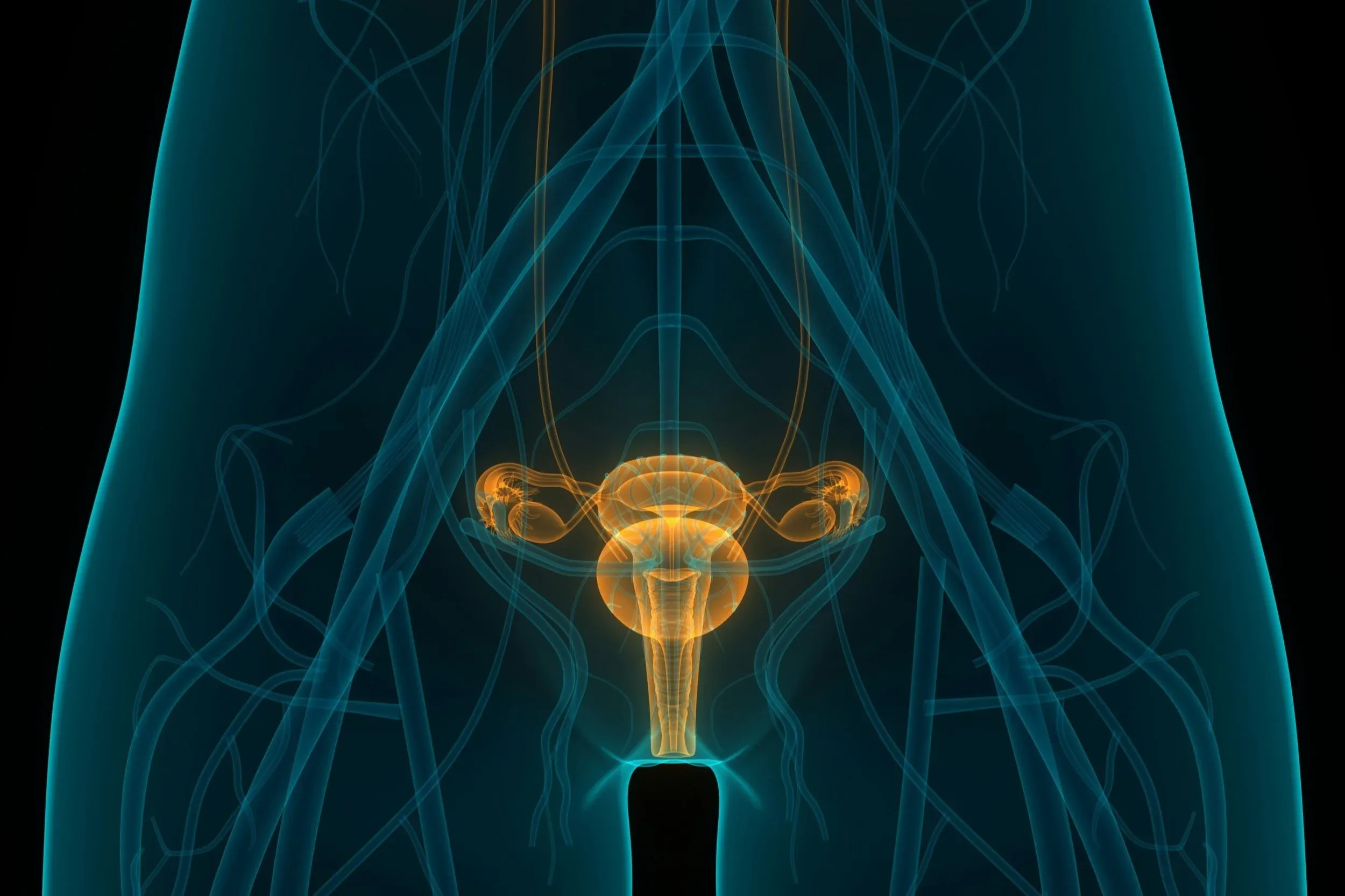
Ovarian cancer is a term for a group of diseases that originate in the ovaries, fallopian tubes or peritoneum. There are many types of ovarian cancer, each with slightly different characteristics, making it a complex disease to treat.
Ovarian cancer is a term to name cancer originating from one or both ovaries. The ovaries are small organs sitting in the pelvis and producing our main female hormone.
The average age of diagnosis is 64 and this disease is mainly diagnosed in women over 50 (post-menopausal), though younger women can be affected.
In Australia about 1500 women are diagnosed every year
Symptoms of ovarian cancer are often vague and non-specific. These can include abdominal/ pelvic pain, bloating, fatigue, change in bowel habits, and urinary frequency. These symptoms can also happen with other conditions, but it is important to contact your healthcare provider if you have concerns.
Risk factors are age, genetics, history of breast cancer, and more. Some women carry a gene, such as BRCA, which substantially increases their risk of ovarian cancer.
Risk reduction: the combined contraceptive pill reduces the risk and so does having children and removing the adnexae ( ovaries and fallopian tubes)
Screening: there is no effective screening for ovarian cancer. Screening means testing individuals without symptoms to diagnose the early stages of the disease when treatment is more likely to be successful. Multiple studies have been conducted to test various screening strategies and sadly thus far they have all been unsuccessful. In Australia, we have screening programs for breast, bowel, and cervical cancers and I encourage participating in these programs.
Diagnosis: the only way to confidently diagnose a patient with ovarian cancer is by obtaining tissue (biopsy). Other tests, such as transvaginal ultrasound and tumour markers, can raise our suspicion.
Treatment: this is individualised based on patient and disease factors, such as age, general health, and stage of the disease. It usually involves surgery to remove the ovaries, tubes, uterus, as well as other areas that are affected by cancer. Many women diagnosed with ovarian cancer will also require chemotherapy, which depending on the situation, is given after or before surgery.